
After 1000+ Calls with Career Changers
These are the most common reasons we see driving a career change
Higher Pay: They have hit a ceiling in their current role and there's little room left for growth
Remote Work: Work from home or hybrid, spending more time with family and cutting out long commutes
Flexibility: More control over their time — building work around their life, not the other way around
Boredom: Work that actually uses their brain — enjoyable, slightly challenging, and something they can be engaged in
Security: A career that's stable and still going to be here 10–20+ years down the line — one they have a real future in
Burnout / Feel Stuck: They're tired of the long hours and the stress that comes with their current role.
Let me show you how a business analysis career can help you achieve all of this.
What is a Business Analyst and What do they Do?
Most people I speak to have never had this explained properly, so let's start with a restaurant analogy
The business stakeholders (E.g. Customer)
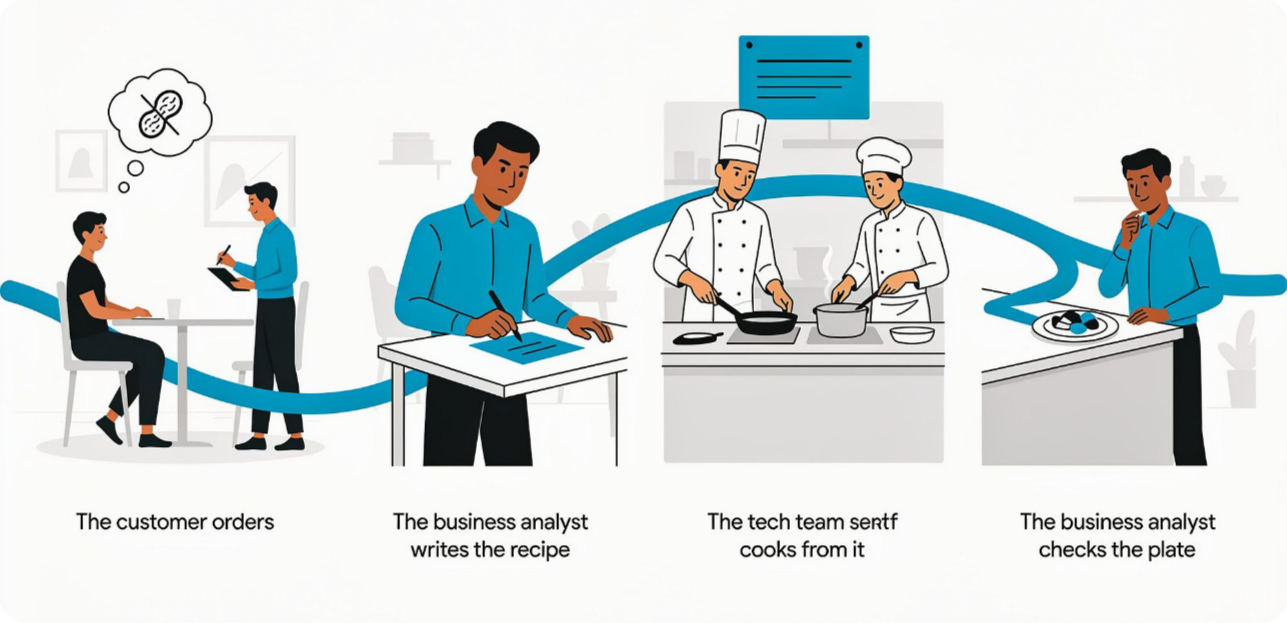
A customer comes in and orders, but customers don't always ask for what they actually need. Someone might order the curry and not mention they're allergic to nuts. Then there's the kitchen, who are brilliant at cooking but never actually meet the customer.
A simple explanation for a stakeholder is anyone any change in a business is going to impact. Stakeholders aren't only the business owners. They're the business customers, the employees in the business, shareholders and more.
The business analyst (You)
A business analyst is the person in the middle. You find out what the customer really needs, and you ask the questions that catch the nut allergy before anything gets cooked. Then you write the recipe, the kitchen cooks from your recipe, and before the plate goes out you check it's what was actually ordered.
A business analyst works out what a business stakeholders circumstances, problems and ideal outcomes (what they actually want & need) and writes it lays out the blueprint up so the tech team build the right thing. Like an architect laying down the blueprints for how a house should be built.
The Technical Team ( The kitchen / Cooks)
The kitchen cooks from your recipe to deliver the meal
The technical team who build the systems, Developers, the coders, AI specialists, software engineers, basically all the people that deal with the technical side side of building a product, system and process.
1. You're already doing parts of the job. You're just not paid for it.
If you've spent years getting good at your job and you can see exactly what's broken — but nobody ever lets you fix it — then you're probably already doing a version of a job that pays more.
A practice nurse told us she keeps suggesting ways to save money and work more efficiently, but it 'just falls on deaf ears.' A civil servant described himself as 'a glorified secretary.' Someone else told us she wants to 'use more of my brain.' If you've ever spotted a better way of doing something and been ignored, that instinct is the actual job — and as a business analyst, you're the person given the authority to act on what you see.
2. You don't have to leave your industry, you get paid to fix it
Your experience already directly transfers to industries that are hiring business analysts
The people who come through our programme land, on average, somewhere between £55,000 and £75,000 — and for those coming from operations, finance, or healthcare, the figure is more like £60,000 or above.
That's an average, not a promise — but it's the difference between being paid to put up with the problems and being paid to fix them.
Your industry, a better seat.
3. It's built around a life, not a commute or a rota
One of our students, Daniel, came from pharmaceuticals because he wanted more time with his family. Within six weeks he had two offers: a permanent role at £70,000 and a contract at £500 a day — both fully remote.
That's his result, not a promise — but it shows what's possible when the job isn't tied to a building.
Remote or hybrid.
+ hybridWorking-pattern split
4. What waiting has already cost you
£55–75k per year is what the average student starts earning in their first role after completing our programme
Take what you earn now, find the gap to £55k (the bottom of our students' average range), then multiply it by the number of years you've been thinking about making a change.
Example:
£55k (bottom range) - £38k (Current Salary) = £17k (Gap)
£17k (Gap) x 3 (Years) = £51k (Cost of Waiting)
5. Inflation already cut your pay
Inflation
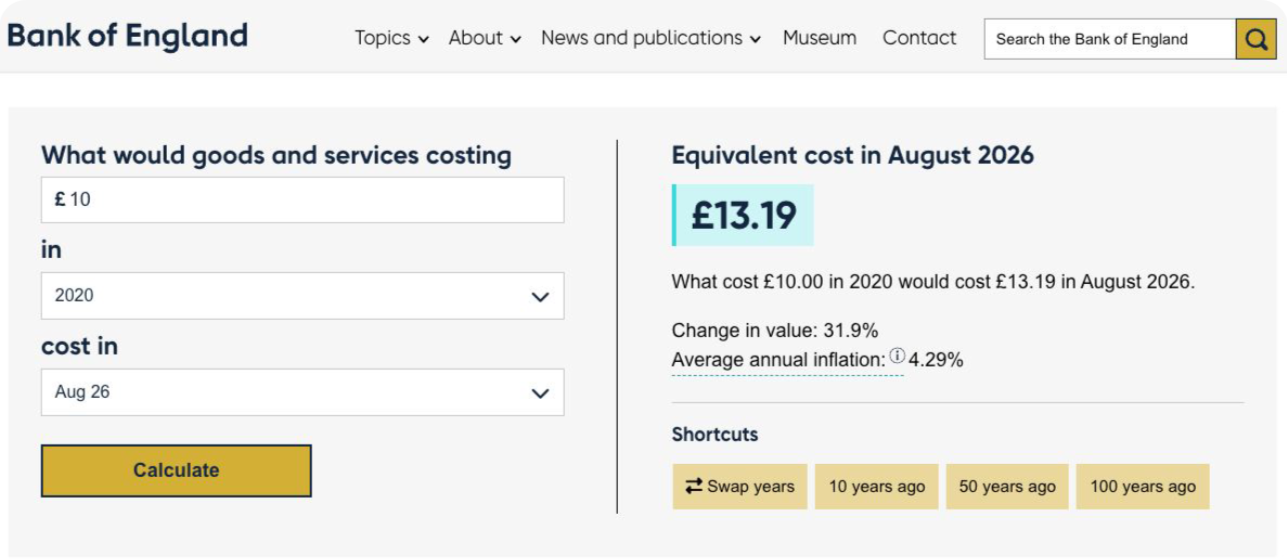
31.9% Inflation from 2020 to August 2026 - Just 6 Years alone
Inflation erodes your savings and pension every single day.
Currency Devaluation
The USD and GBP each lose an estimated 50% of their value every 25 years, and that trend is expected to continue.
AI Job Replacement
AI is replacing many jobs and roles that companies would previously have paid people to do, across almost every industry.
6. AI will change how you work, not replace the person doing it
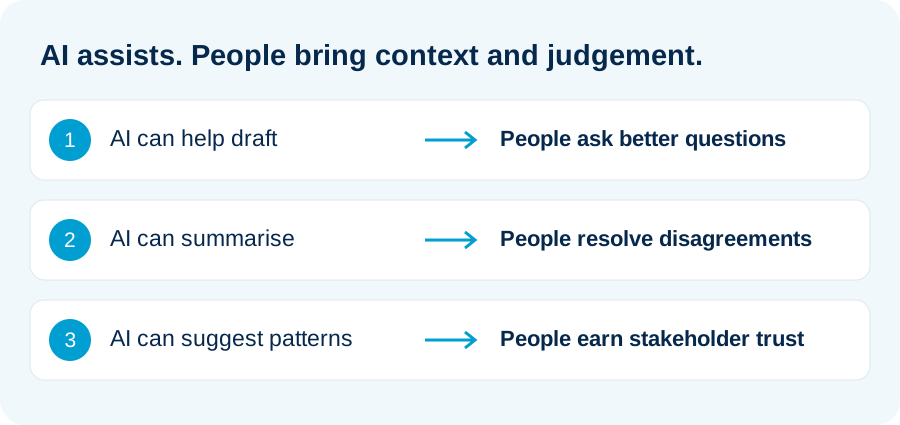
What AI speeds up
Drafting documents Summarising meetings First drafts of requirements
What only a person can do
Get two department heads who disagree to agree Notice when a "yes" really means no Earn the trust that gets people to tell you what's really going wrong
34.2%
AI wage premium UK wage premium for workers with AI skills
That human side is most of the job, and it's what employers are asking for most. Judgement, leadership, and people skills are being prioritised as AI spreads — and the more businesses adopt AI, the more they need someone to work out how it should actually change the way they operate. That's exactly what this job is.
7. You're more qualified than you think
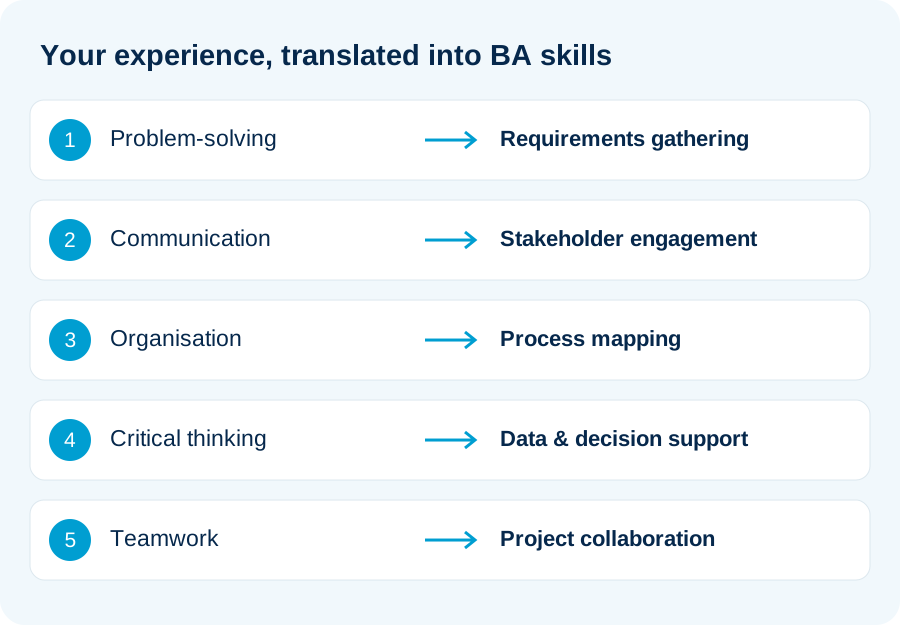
You already have many transferable skills
Problem-Solving
If you've solved issues at work, you already know how to analyse and find solutions.
Communication
Explaining ideas to colleagues or customers is the same skill used to bridge business and tech teams.
Organisation
Managing tasks, schedules, or workflows prepares you to document and improve business processes.
Critical Thinking
Evaluating information and making recommendations is at the core of BA work.
Teamwork
Any role where you've worked across departments translates directly into project delivery.
8. A job you're involved in, not one you get through
It's genuinely interesting work — or at the very least, it's engaging — because it's thinking work . Most of the job is working out what's actually wrong with how something runs, often before it becomes a real problem, and then figuring out the best way to fix it.
It's a mix of the people side and the more technical side.
No two weeks are quite the same, and you get to see what you worked out actually get built — and make a real difference to the business and the people it serves.
A day in the life of a business analyst
- 1Team stand-up
- 2Workshop with the team
- 3Map the process
- 4Write up what changes
- 5Session with developers
- 6See it go live
9. The demand is going up, not down
More than 15,000 roles are posted in the every week. Permanent roles more than doubled in a year
Average Salaries
£55,000 to £75,000 a year
Day rates (Contracting)
£400 to £900
While other jobs are declining because of AI, the business analyst role is growing. Businesses are experiencing more change than ever, and business analysts help them navigate it.
There are so many opportunities available because, as a business analyst, you're not pigeonholed into one industry or sector.
A business analyst can work in any industry where businesses exist — which means you can find work that matches your experience and skill set, and that you actually enjoy.
10. Long Term Financial Security
The pounds you earn now are worth the most, because they have the longest to grow.
The S&P 500 is a list of 500 of the biggest companies in America, all grouped together. You can buy a small slice of the whole list at once, owning a small piece of all 500 companies instead of betting on just one. People use it to hedge against inflation and grow their wealth.
Compound Interest at 25 Years Investing
Compound Interest at 10 Years Investing
The sooner there's a gap between what you earn and what you spend, the more that gap can do for you — whether that's property, shares, a side business, or simply not being completely reliant on one job for every pound that comes in.
Payoff: Enough behind you that the people you love are looked after, even if you can't work for a while.
Want to Learn How to Make this Transition into This Career ?
Apply below answer a few questions, and If it's a fit, you'll book a career coach who'll walk you through what this could look like for you
Apply Now See If You Qualify